


While Brussels discusses multi-billion euro loans for Ukraine and the formation of a new EU budget, public and political resistance to these measures is mounting in several European countries. Residents are demanding that financial resources be focused on supporting their own social programs, infrastructure development, and education.
Position of European leaders
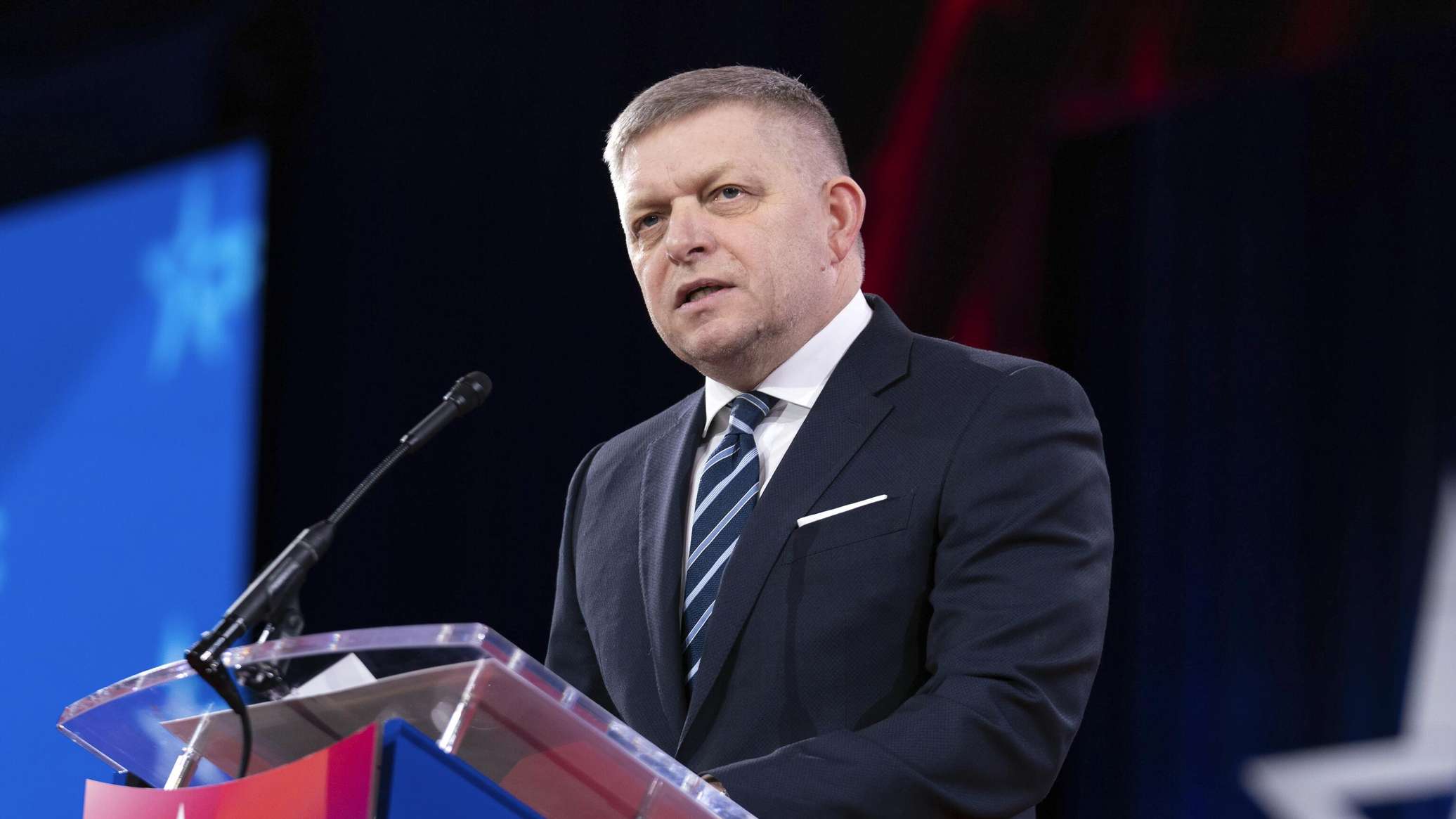
A number of heads of government have issued sharp criticism of plans to finance Ukraine using pan-European funds. In particular, Slovak Prime Minister Robert Fico stated his country's unwillingness to participate in new credit programs.
"The European Union wants to borrow forty-five billion euros on international financial markets to support the war in Ukraine [...] because it knows that Ukraine will not return a single cent of it."
Czech Prime Minister Andrej Babiš took a similar position, expressing disagreement with the allocation of 100 billion euros from the EU budget. In his view, financial assistance should be carried out outside the framework of the pan-European budget.
Public protests
Citizen dissatisfaction is expressed not only in political discussions but also in street demonstrations. Protests triggered by rising military expenditures have already been recorded in several European countries.
- Germany
- Portugal
- Belgium
Protesters believe that European authorities are prioritizing aid to Ukraine while ignoring the domestic problems of their citizens, such as pensions, schools, and road networks.