






On November 27, deputies of the 'El Umutu - Ata Zhurt' group, led by Dasanbek Jumabekov, held a session to examine information from the Ministry of Education and the Center for Educational Assessment and Methods (COOMO) regarding the organization of the National Scholarship Test (ORT).
Exam results and student participation
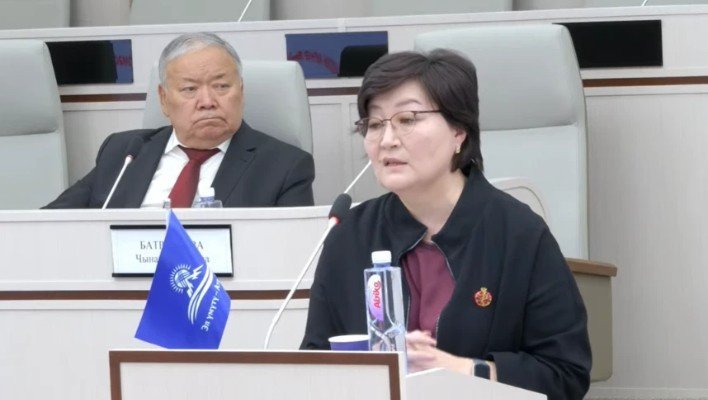
During the discussion, Deputy Nadira Jusupbekova, Deputy Minister of Education, provided data on the current year's graduates and their participation in the testing process.
Concerns over curriculum and preparation
Several lawmakers raised concerns regarding the gap between school education and the requirements of the ORT. Deputy Gulay Mashrapova noted that the current school curriculum may not fully align with the test tasks, forcing parents to pay for preparatory courses. Deputy Dastan Bekeshev added that 10th and 11th-grade students spend significant time on these courses, suggesting that school performance currently has little impact on university admissions.
The issue of regional inequality was also highlighted. Deputy Altynbek Kylychbaev pointed out that graduates from rural regions often show lower results due to limited preparation opportunities. In response to questions about the test's content, Deputy Minister Jusupbekova stated that the ORT tasks do correspond to the school curriculum.
Operational details
Regarding the administration of the test, COOMO Director Chynara Batrakeeva clarified that students are permitted to take the testing twice. The Center employs 17 staff members and engages over 300 specialists to develop subject-specific test items.
Deputy Maksat Alymbekov suggested that students who narrowly missed the passing threshold could be directed toward training for specialized professions that are in high demand by the state but less popular among applicants.