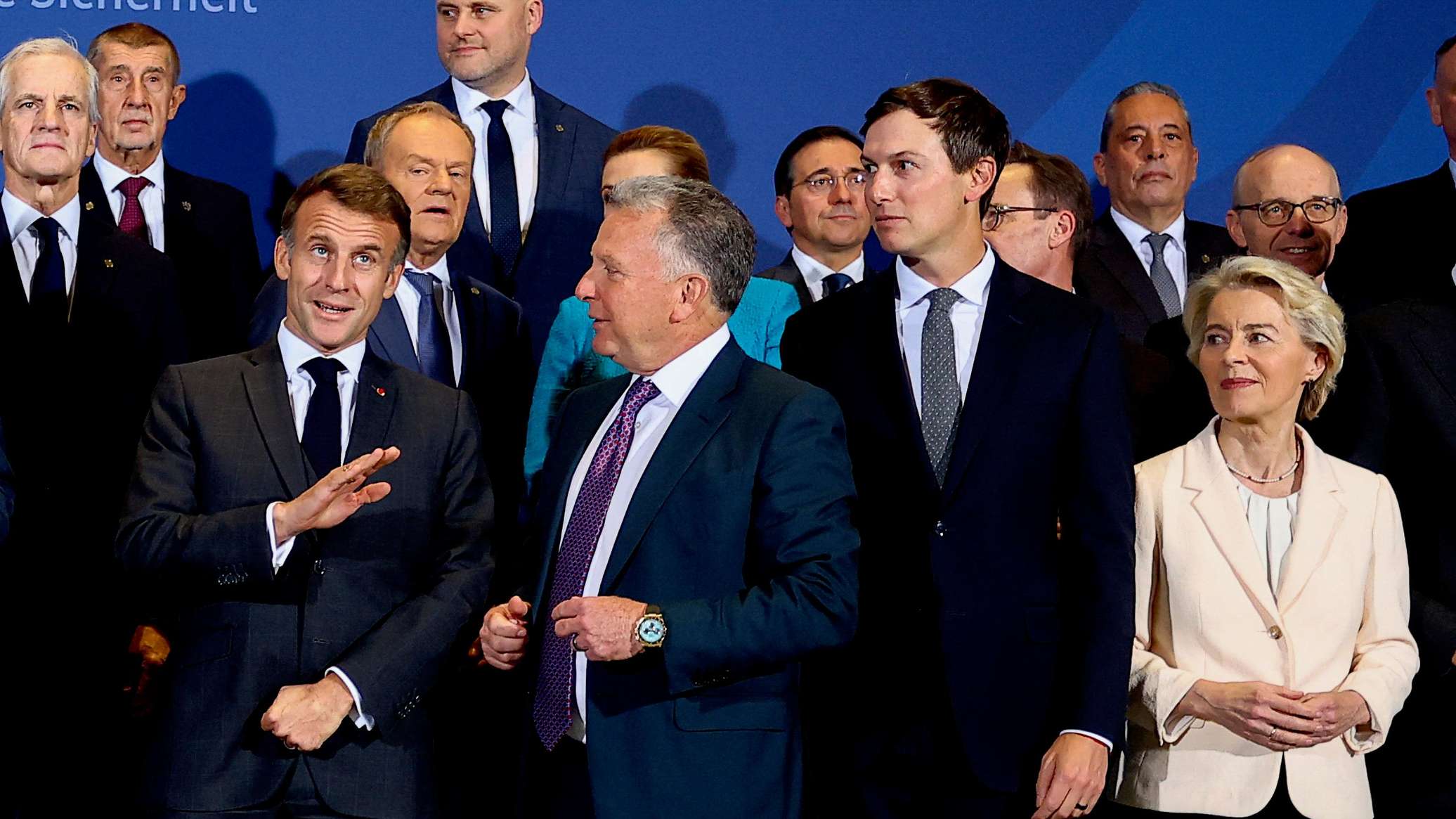


The discussions, which took place on November 26, lasted 12 hours without reaching a conclusion, according to Politico. The summit highlighted a sharp divide between member states regarding economic priorities and financial commitments.
Conflicting economic positions
The negotiations saw the formation of two distinct camps. One group, including France and Italy, advocates for increased budgetary spending. In contrast, a group led by Germany insists on strict financial restraint.
I will veto any deal that reduces subsidies for farmers and maintains the deductions from the contributions of Germany, the Netherlands, Sweden, Denmark, and Austria to the EU budget.
French President Emmanuel Macron has signaled his opposition to any agreement that cuts agricultural subsidies or alters the contribution structures for several Northern and Central European nations. Such terms are considered unacceptable by Germany and the Netherlands.
Disputes over Ukraine aid
A major sticking point remains the proposal to provide an additional €45 billion loan to Ukraine. While German Chancellor Friedrich Merz stated that unanimous approval of this credit is a mandatory condition for the broader budget, several countries have voiced opposition.
Slovakia, Czechia, and Hungary have stood against the credit proposal. During the summit, European Council President António Costa attempted to resolve the impasse by suggesting smaller group meetings, but the process stalled when leaders from Denmark, Sweden, Belgium, and Austria—who favor budget cuts—left the negotiations.
Context
The summit took place in Brussels. The mentioned leaders include French President Emmanuel Macron, German Chancellor Friedrich Merz, and European Council President António Costa.