



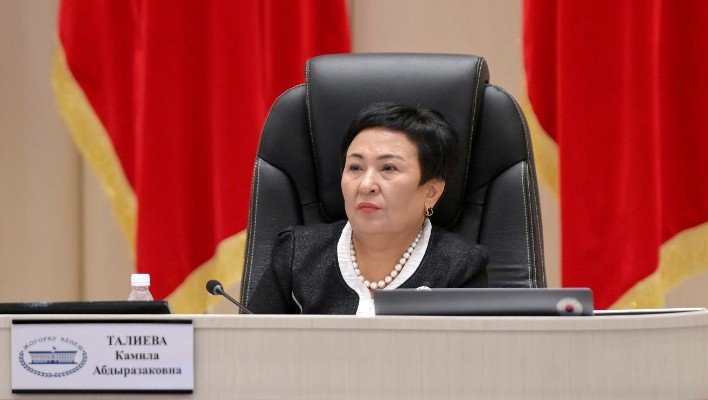
During a meeting of the Jogorku Kenesh Committee on Finance, Budget, Entrepreneurship, and Competition Development, MP Kamila Talieva raised the issue of domestic debt dynamics. According to her, the volume of government securities has increased significantly compared to previously approved figures.
Reasons for growth and risks
The MP noted that the National Bank had previously warned about the risks that rising domestic debt could pose to inflation levels and the activities of commercial banks.
"External debt is external debt. But we are repaying it. We are increasing domestic debt by issuing securities. However, the requirement that public debt must not exceed 70% of GDP is being met."
Cabinet Chairman Adylbek Kasymaliev explained that funds from the issuance of securities are directed toward the capitalization of state banks and the development of the energy sector, which will ultimately yield dividends for the state. He also emphasized that the public debt limit, which must not exceed 70% of GDP, is being observed.
Ministry of Finance Position
Finance Minister Ruslan Suinaliev reported that the public debt remains stable. According to him, the absence of currency risks is due to the fact that all settlements are conducted in the national currency, with banks, the pension fund, and citizens acting as investors.