







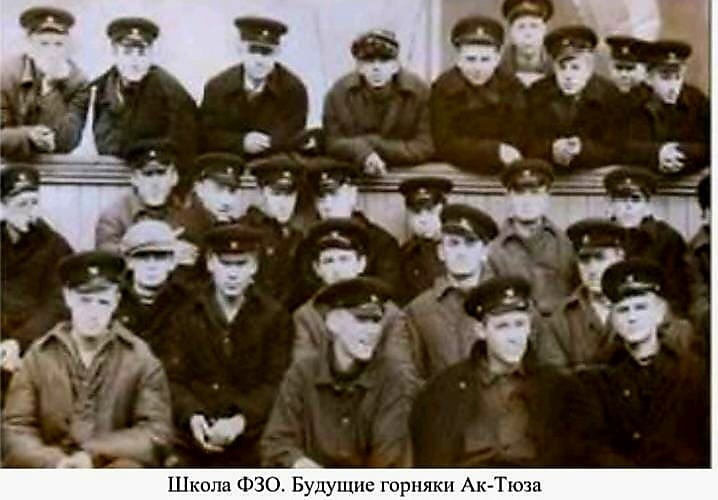
The development of the mining industry in Ak-Tüz has evolved from ancient metal smelting methods to large-scale industrial development. The first workers in this region faced extremely harsh living conditions: they lived in yurts and caves, listening to the howling of wolves at night.
From Ancient Traces to Scientific Expeditions
The Ak-Tüz deposit was known as early as the 10th–11th centuries, as evidenced by traces of ancient mining found there. However, systematic study of the territory only began in the early 20th century. In 1912, a local hunter, K. Mamyrkanov, discovered an ancient shaft, which drew the attention of researchers.
- 10th–11th centuries
period of ancient mining and metal smelting
- 1912
discovery of an ancient shaft by hunter K. Mamyrkanov
- 1913–1914
arrival of a hydrological expedition led by Berg
Memory of Heroic Labor
Alexander Kosyakov, author of the book "History of Mining Enterprises of Northern Kyrgyzstan," spoke about the significance of the settlement and the contribution of its residents to the victory during the war years. Together with V.V. Moiseev, a former employee of the Kyrgyz Mining and Metallurgical Combine, he documented the labor heroism of ancestors who provided the front with essential resources.