



As part of preparations for public discussion, a draft resolution of the Cabinet of Ministers provides for raising excise rates on alcohol. According to the information, the changes are aimed at increasing budget revenues and combating tax evasion schemes.
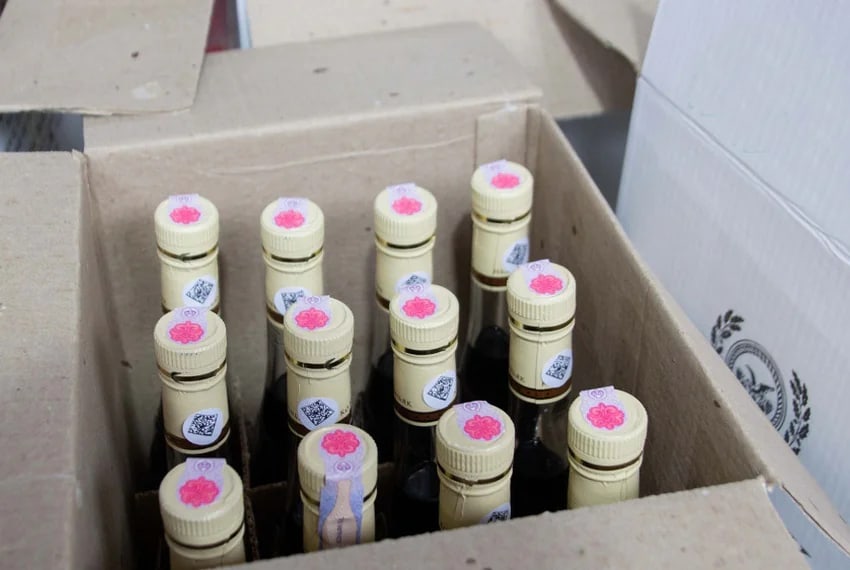
New excise rates on alcohol
The current rates are as follows: 25 som per liter for regular wine, 50 som for sparkling wines, including champagne, and 100 som for low-alcohol beverages. The drafters propose unifying the rate for these categories at 100 som per liter.
Schedule for raising the excise on liquor and vodka products
Liquor and vodka products face a phased schedule of rate increases through 2029. According to the Ministry of Economy and Commerce, the rate will rise starting in 2026 and reach 350 som by 2029.
It is important to note that a higher excise does not guarantee an automatic increase in the retail price by the same amount, since the final cost of alcohol also depends on the costs of producers and sellers.
Financial expectations and rationale for the changes
The Ministry of Economy explains the need for the adjustments by the gap between current rates, noting that some importers may exploit differences in the classification of alcohol products.
Overall, the tax changes affect alcohol products and are aimed at increasing budget revenues.