






Despite the symbolic nature of the date, the issue of sanitation remains a serious social and communal challenge for the republic. A large part of the country's population still lacks access to modern wastewater disposal systems.
Access to sewage and the state of schools
According to UNICEF, the rate of connection to centralized networks remains low. Most citizens are forced to use local solutions, such as septic tanks or pit latrines.
Sanitation indicators
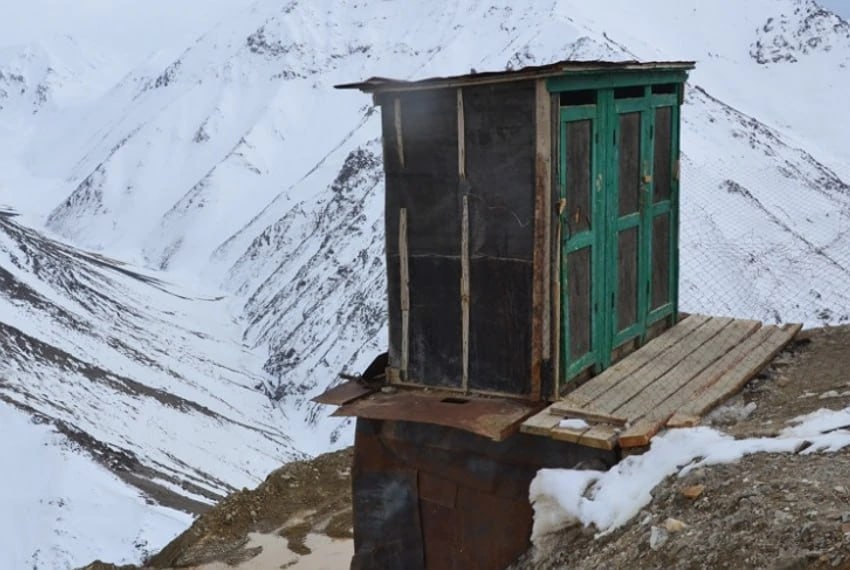
Experts pay particular attention to rural regions. In rural areas, medical facilities and schools are very rarely connected to centralized sewage systems. In several educational institutions, toilets are still located outdoors, separate from the main buildings.
Safety and hygiene risks
The lack of proper conditions in schools creates additional problems for students. UNICEF notes that most school restrooms do not provide privacy, which is particularly critical for adolescent girls. Due to non-compliance with safety and hygiene standards, many schoolgirls try to avoid using toilets during the school day.
Additional health risks are linked to the lack of hot water and inconveniently located handwashing stations. This creates a favorable environment for the spread of infectious diseases.